The Myth of the Perfectly Balanced Sports Bag
A sports bag need not cover every possible session. Match its contents to the activity planned and make choosing, carrying and packing away simpler.
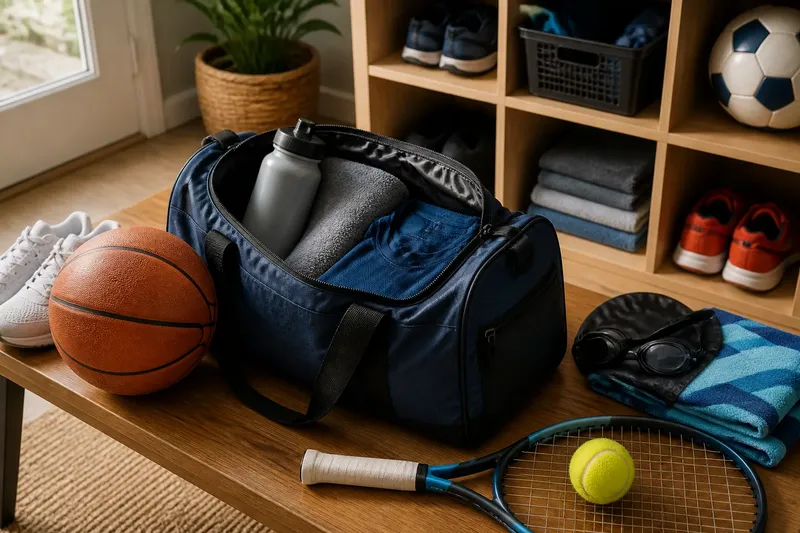
A sports bag packed for every possible session is usually a bag packed for no particular one. A better sports bag packing system starts with the activity on the calendar, then makes room for the small number of items that support it. That keeps the bag useful without turning it into a mobile lost-property cupboard.
The aim is not to own less equipment for its own sake. It is to stop treating a training session, a match and an afternoon that combines both as though they ask for identical kit. Three approaches suit different routines: a fixed everyday load, activity-specific packing, and a small core with a session-based add-on.
The fixed everyday load
A fixed load keeps the same basic contents in the bag from one outing to the next. For a player whose sessions follow a stable pattern, that can mean footwear, a towel, a water bottle, a change of clothes and the equipment they regularly use. The bag is ready to leave, rather than waiting for a fresh round of decisions.
This approach suits a routine with few changes and a reliable place to store the bag. It is less suitable when the sport, venue or session type changes often. A pair of court shoes is helpful for indoor training; in a football session, it is mostly extra weight with a strong opinion about where it belongs.
The fixed load also needs a boundary. Choose items that are genuinely used across most sessions, rather than anything that might conceivably be useful. Spare layers or a small personal-care pouch may earn a place; a second set of specialist kit for a sport that is not on the schedule probably does not.
Activity-specific packing
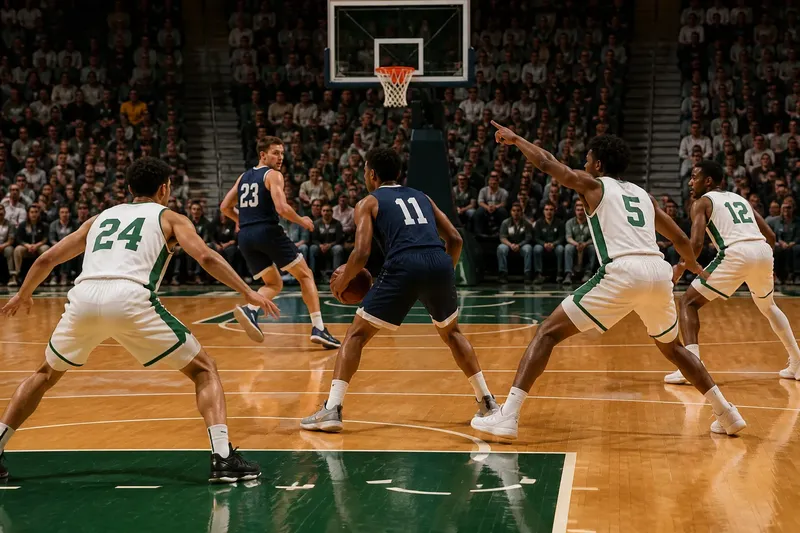
Activity-specific packing means choosing the contents afresh for the planned session. A basketball practice might call for court shoes, a ball if the venue expects players to bring one, and a reversible training top. A swimming session has different demands: swimwear, goggles, a towel and a bag that can contain damp fabric afterwards.
This suits players whose activities vary, or anyone who dislikes carrying equipment that will not be used. The trade-off is a little preparation before leaving. A quick look at the session plan and venue arrangements can prevent a full bag from arriving without the one item the activity depends on.
Keep the decision tied to the activity, not to a vague idea of preparedness. If the session is a coached practice, check whether shared equipment is supplied. If it is a match, consider what the player is expected to bring personally, such as their own racket or protective item. Labels, manufacturer instructions and local rules determine suitability where those details matter.
The core plus add-on
A middle course keeps a compact core in the bag and adds a separate set of items for each planned activity. The core might be a water bottle, a small towel, a clean shirt and a zipped pouch for personal essentials. Sport-specific footwear, a ball, goggles or a racket stays out until the schedule calls for it.
This suits a week that mixes sports or alternates between training and competition. It preserves the convenience of a bag that is partly ready while keeping specialist equipment visible at home. A labelled shelf, hook or open crate can hold the add-ons; the storage need not resemble a professional kit room.
Say a player has basketball practice after school on Monday and swimming on Wednesday. They could leave the shared core by the door, then place court shoes and a training top in the bag on Monday, swapping those for swimwear and goggles on Wednesday. The expected observable result is a bag whose contents match the session, rather than a damp towel travelling to basketball by habit.
Which approach fits?
Choose by how predictable the week is, how much specialist equipment the sport requires, and whether the bag can be unpacked between sessions. These questions help distinguish the three approaches without trying to create one ideal kit for every player.
What belongs in a sports bag every day?
Only items used across most of the player’s sessions belong in a fixed daily load. A water bottle, clean shirt or personal essentials may qualify; sport-specific footwear generally does not if the activities change.
Is one bag enough for different sports?
One bag can serve different sports if the player separates the shared core from activity-specific kit and checks it before leaving. For wet clothing, a washable, water-resistant pouch can keep damp fabric apart from dry items.
Should match-day equipment stay packed?
Equipment used only for matches can stay together between fixtures if it is stored dry and can be checked easily. Keeping it in a separate pouch or container also makes it less likely to drift into the everyday load.
How can I choose between these approaches?
Use a fixed load for a stable routine, activity-specific packing when sessions vary sharply, and a core-plus-add-on system when convenience and variety both matter. If the current bag regularly contains unused kit or misses session essentials, that pattern points towards a change.
A calmer packing habit
Whichever approach fits, make the last decision at the point where the session becomes clear: check the activity, venue and whether the player needs to bring shared equipment. Then put away anything that belongs to another sport. This takes less effort than carrying a second pair of shoes around in case the afternoon develops a plot.
Sports bag packing works best as a small response to a real plan, not an attempt to anticipate every possible one. A bag that is ready for the next activity is more useful than one that is permanently full; leave a little room for the things the player actually uses.